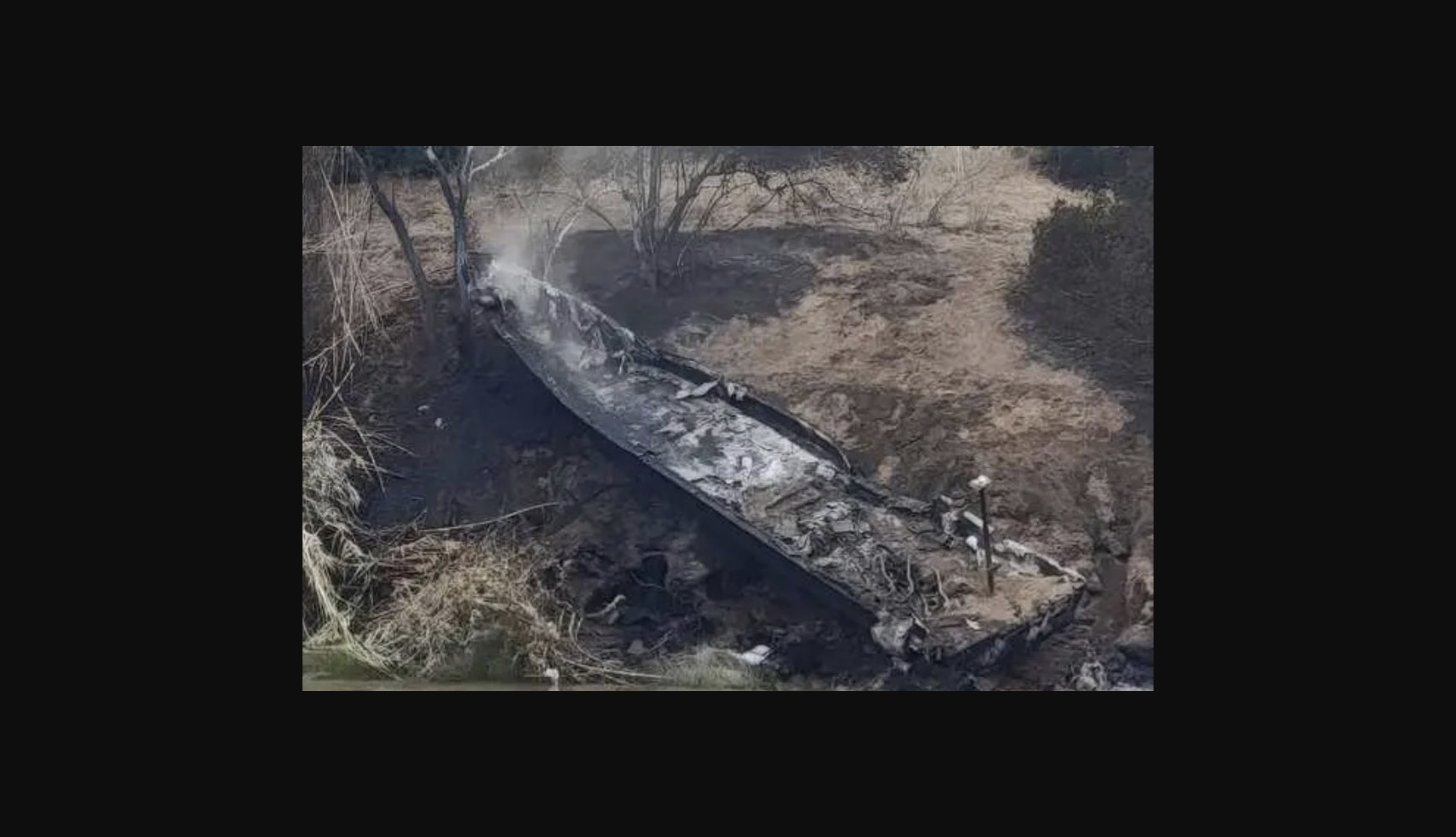
Título: ¿Conoces las maneras de frenar el crimen organizado en España?
Contenido reformulado: Cada vez que se detectan narcolanchas en cualquier punto de la costa española, emergen voces que, por el momento, parecen exageradas, que afirman que España se ha transformado en un narcoestado. La realidad es que el término de narcoestado ha sido poco definido en un sentido doctrinal, pero si se establece que un narcoestado es aquel en el que los intereses del tráfico de drogas prevalecen sobre la sociedad civil y el poder político, se puede comenzar a considerar que España necesita abordar un futuro problema.
En la fecha del 1 de febrero de 2026, España no se encuentra entre aquellos países donde provincias enteras son controladas por grupos criminales, sin embargo, sí es un lugar donde, en ciertos puntos, la Administración y la sociedad muestran síntomas de debilidad que a largo plazo provocarán serios problemas de seguridad y confianza. Esto se manifestará si no se revierten los efectos que ya está comenzando a sufrir el narcotráfico.
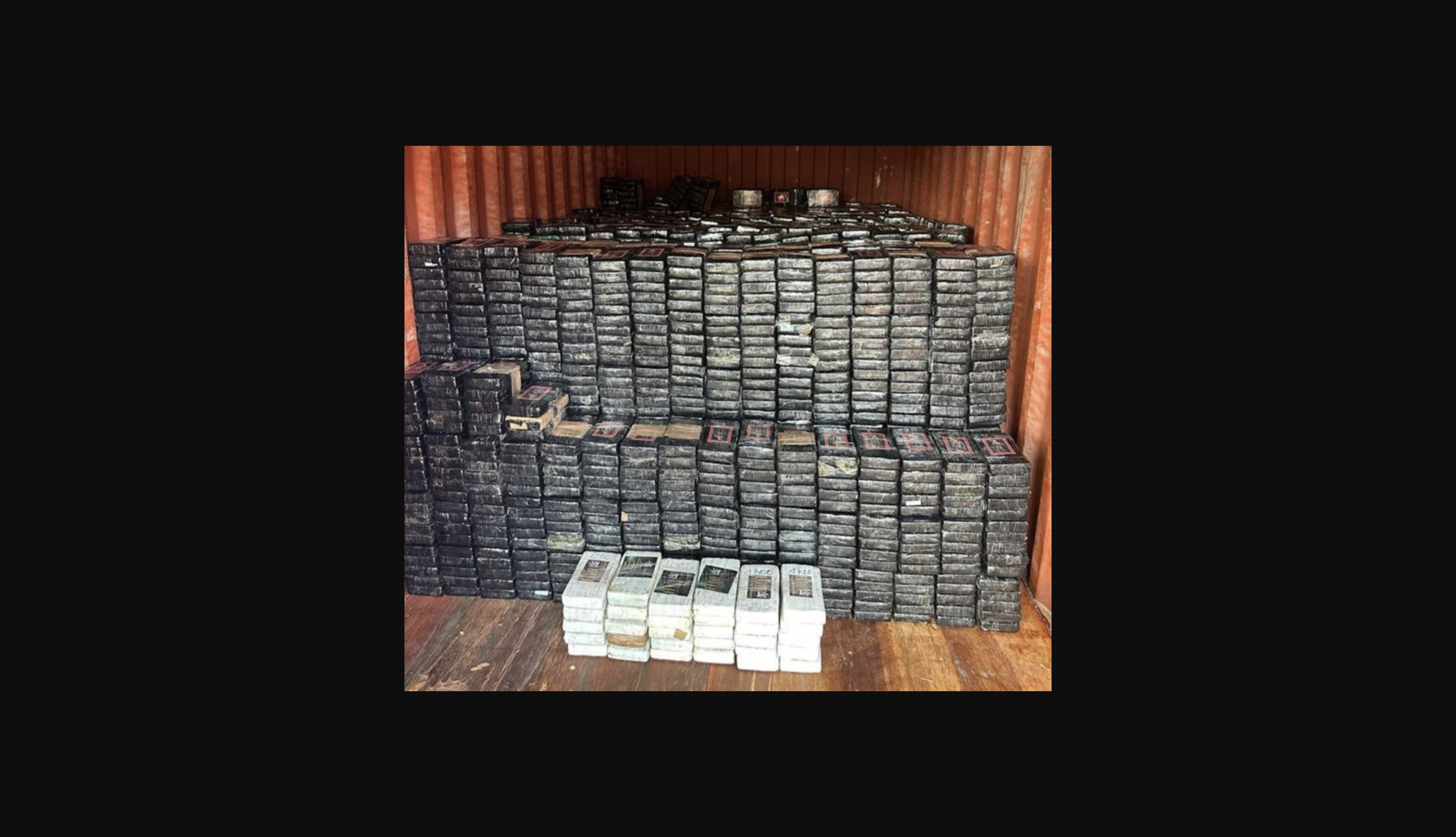
Al mencionar la palabra narcoestado, se evocan naciones como México, diversas regiones de Colombia, Ecuador, Surinam o Sierra Leona, por citar algunos ejemplos que no se limitan únicamente a Sudamérica. Aunque España enfrenta problemas, no se puede comparar con la lucha contra la criminalidad organizada que viven los cuatro países mencionados. Cada uno de estos casos presenta sus características particulares, como en México, donde es bien conocido que sus grandes cárteles operan con ejércitos privados paramilitares, o en Sierra Leona, donde el yerno del presidente, el famoso holandés Bolle Jos, es supuestamente uno de los traficantes más relevantes del mundo.
Todo está interconectado en el ámbito del narcotráfico. Una globalización perfecta. Y funciona como un reloj suizo. Si los cárteles mexicanos no se hubieran expandido hacia Ecuador, no tendrían el control de las rutas de cocaína que comercializan, el producto de organizaciones criminales colombianas. A su vez, la ‘Ndrangheta, por un lado, y el Cartel de los Balcanes, por otro, no habrían alcanzado la supremacía en Europa gracias a sus vínculos en Ecuador.
Al centrarnos en la mafia calabresa, sin los miles de millones que ha acumulado a través de estas rutas del narcotráfico no habría logrado tal poder en su tierra natal, donde, en muchas áreas, controla una parte significativa de la política y del tejido empresarial. En Surinam sucede algo muy similar: el exvicepresidente del país es un narcotraficante internacional buscado por Francia desde hace años.
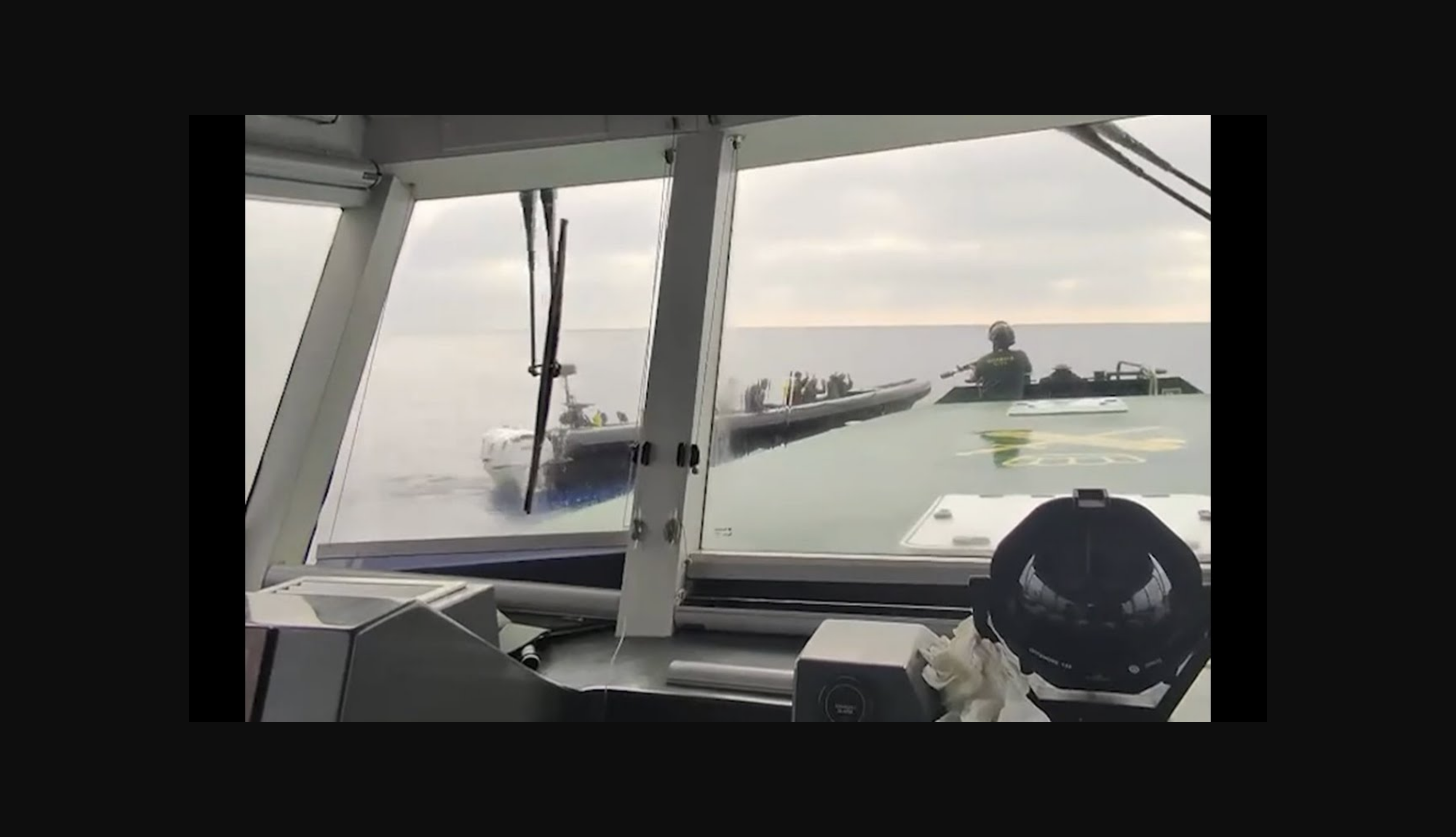
Al trasladar a España el tema de cómo evitar que se convierta en un narcoestado, es fundamental recordar que la Península Ibérica representa un punto estratégico para el contrabando hacia Europa de todo tipo de sustancias, tanto desde Sudamérica como desde África. Lo es, lo ha sido y lo seguirá siendo. Siempre habrá contrabando de drogas o de cualquier otro tipo de producto. El verdadero desafío radica en mitigar los efectos directos de esta actividad.
La cuestión geográfica es crucial en el narcotráfico, y España se erige como la frontera sur de Europa. En este sentido, es indispensable adaptarse a la forma en que los narcotraficantes están introduciendo la droga, tal como lo han estado haciendo durante décadas.
Esta misma semana se ha evidenciado el potencial de diversos grupos criminales que poseen flotas enteras de narcolanchas y que pueden establecerse en cualquier punto de la costa andaluza y levantina sin que las autoridades puedan hacer prácticamente nada.
Quizás ha llegado el momento de modificar la estrategia para combatir las narcolanchas. Estos clanes cuentan con cientos de motores de marcas como Yamaha, cuyo valor puede alcanzar los 49.000 euros si se trata de una potencia de 300 caballos de vapor. Dichos motores son financiados por algunas empresas o particulares, y esas transacciones son más que rastreables; no se pagan con lo que sobra tras abonar el café. Seguir el rastro del dinero debería ser la prioridad de cualquier cuerpo de investigación, y es esencial dotarles de medios, así como de un marco normativo que se ajuste a la nueva realidad que enfrenta España en este siglo.
En la actualidad, las organizaciones criminales en España no poseen la capacidad de fabricar motores artesanales con la potencia necesaria que están utilizando para sus embarcaciones, porque no les resulta rentable. Las narcolanchas son el principal recurso de los clanes históricos que operan en el país, desde los clanes gallegos, los andaluces, hasta los del levante. Todos utilizan los mismos motores, pero se sigue sin frenar la compraventa de estos productos que terminan en manos de organizaciones criminales.
Sin los motores, se disminuye considerablemente un problema que va en aumento, y esa es la seguridad marítima de la que ya están comenzando a quejarse algunas navieras importantes. Que los traficantes parezcan inmunes ante imágenes de embarcaciones abarloadas frente a la costa durante días contribuye a crear un descontento total en la sociedad, lo que puede resultar agotador y, además, muy peligroso para los agentes encargados de hacer cumplir la ley.
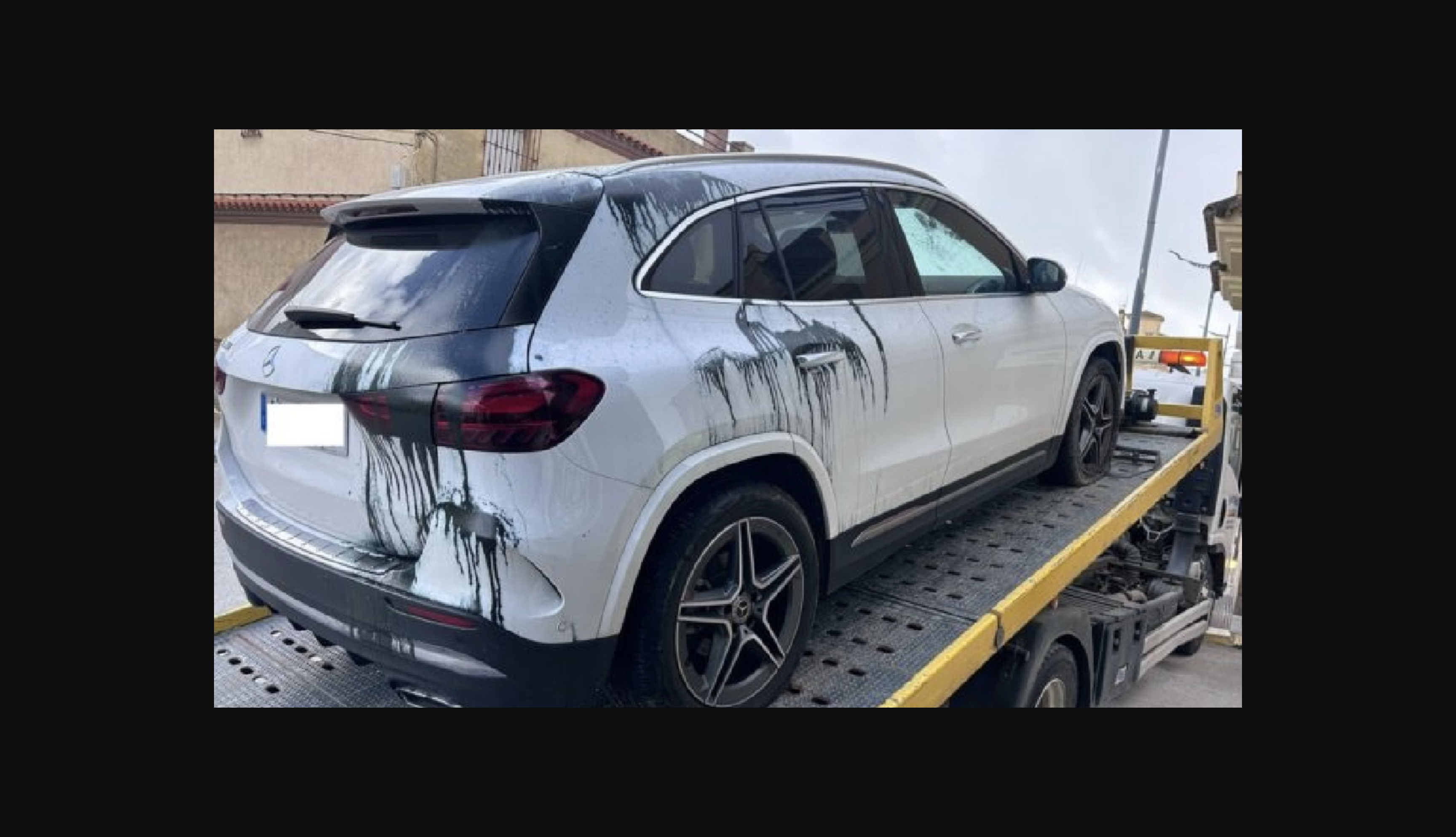
Otro aspecto a considerar es la infiltración del crimen organizado en las instituciones, la cual se genera principalmente a través del dinero que proviene de la droga. La expansión de grupos criminales internacionales en España es completa y constituye una preocupación que ha sido enfatizada por el departamento de Seguridad Nacional.
Desde este punto, las principales mafias internacionales dirigen su negocio en Europa, no solo en el ámbito del narcotráfico, sino también en actividades legales que ya se han consolidado gracias a los recursos que generan las sustancias estupefacientes. La única opción que tiene el Estado para disminuir el poder del narcotráfico en España es legislar de manera que facilite las investigaciones patrimoniales y agilice los procedimientos judiciales.
A mayor cantidad de droga que llegue a Europa, más dinero se genera. Y parte de ese capital se destina a intentar corromper a las instituciones. Algo que se manifiesta, por el momento, en los procesos judiciales que se están llevando a cabo contra agentes de la Policía Nacional, la Guardia Civil y Vigilancia Aduanera, quienes tienen un poder relevante en la autorización o prohibición de la entrada de drogas en España.
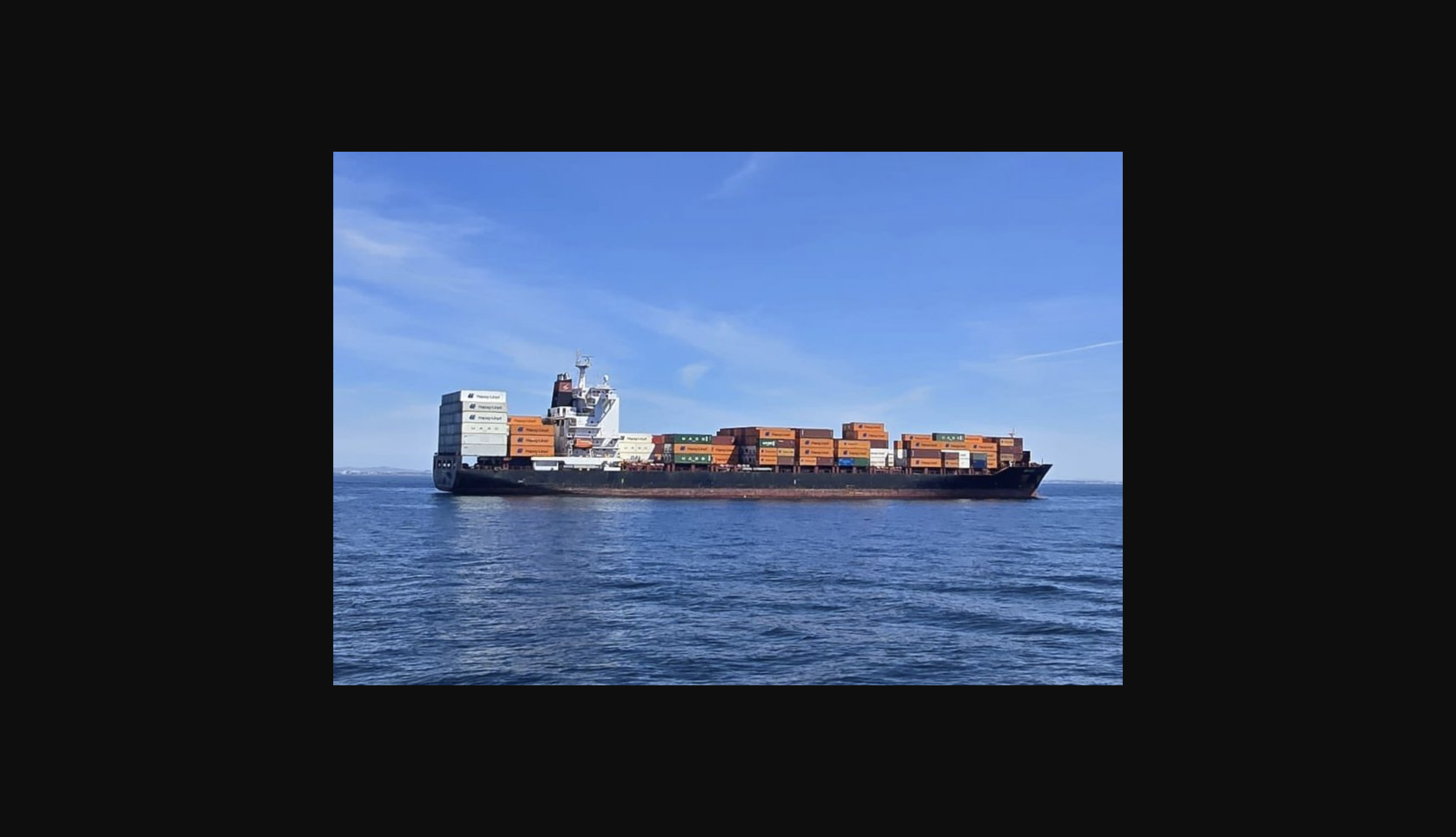
El siguiente paso natural de las mafias será el intento de controlar a funcionarios clave de las administraciones y a políticos. Por lo tanto, será esencial establecer grupos de trabajo especializados en la lucha contra el crimen organizado en un futuro cercano, tomando como modelo a Italia y su Dirección de Investigación Antimafia.
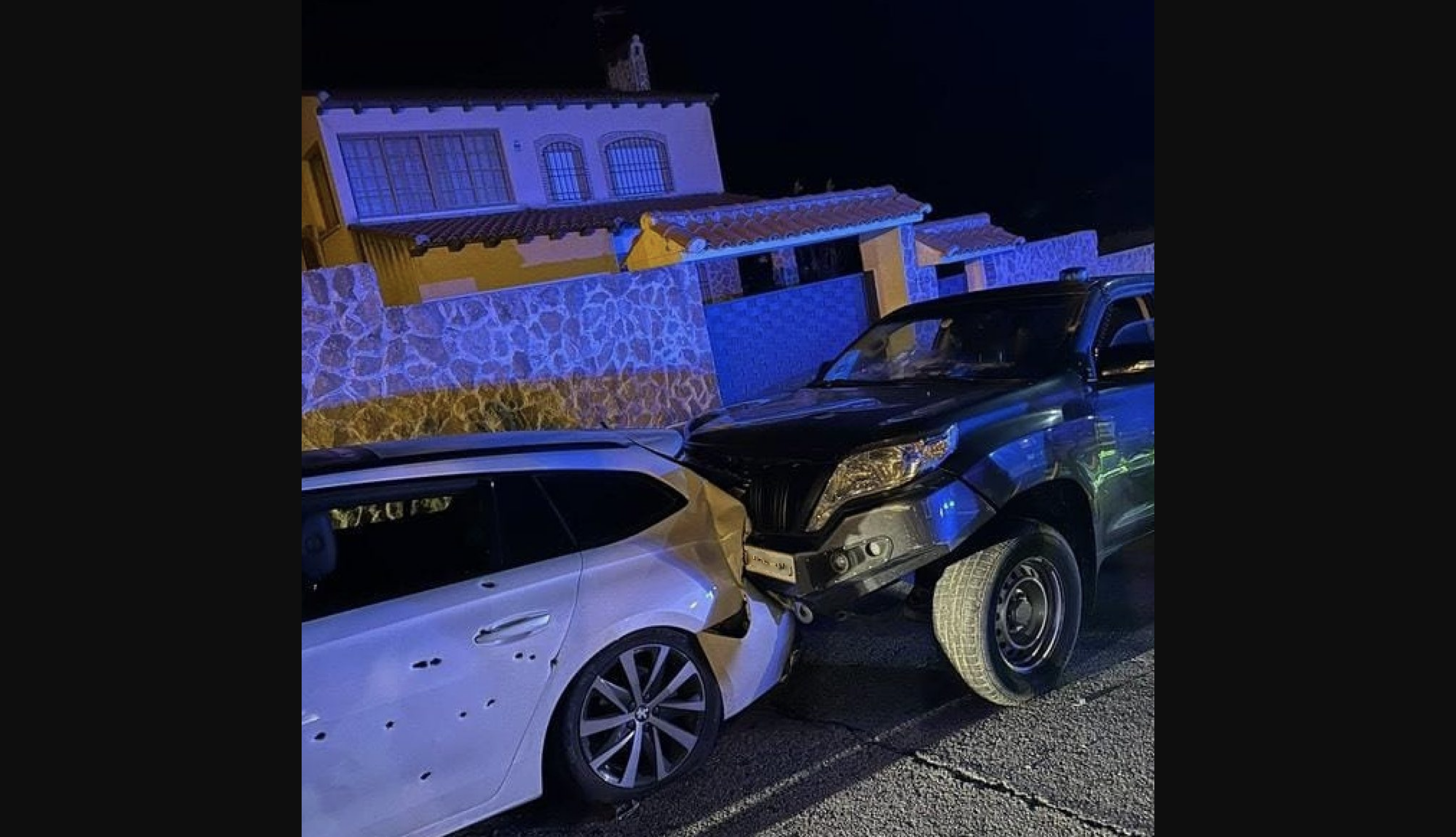
La violencia del narcotráfico en España aumentará mientras los propios narcotraficantes continúen robándose mercancía entre ellos, pero esto está afectando directamente a la policía, que ya está siendo recibida a tiros. La razón principal de todo esto es el dinero, y el Estado debe actuar conforme a la nueva realidad antes de que sea demasiado tarde. Es necesario mirar hacia el norte de Europa y observar lo que ocurre en Suecia o en los Países Bajos. Los métodos de sus organizaciones criminales se han implantado aquí de manera parcial. España todavía tiene la oportunidad de intervenir y poner remedio a la situación, evitando así convertirse en un Estado donde un juez reciba amenazas directas por investigar a traficantes.