Título: Ataque a la infraestructura naval del narcotráfico en España
Contenido reformulado: La Sección Quinta de la Audiencia Provincial de Pontevedra ha dado inicio a una serie de procesos judiciales vinculados a las importantes operaciones policiales en contra de la producción y comercialización de las célebres narcolanchas, las cuales están prohibidas en España desde el año 2018 y que, para el año 2026, continúan siendo fabricadas en Galicia para abastecer a las organizaciones criminales que operan en todo el territorio nacional.
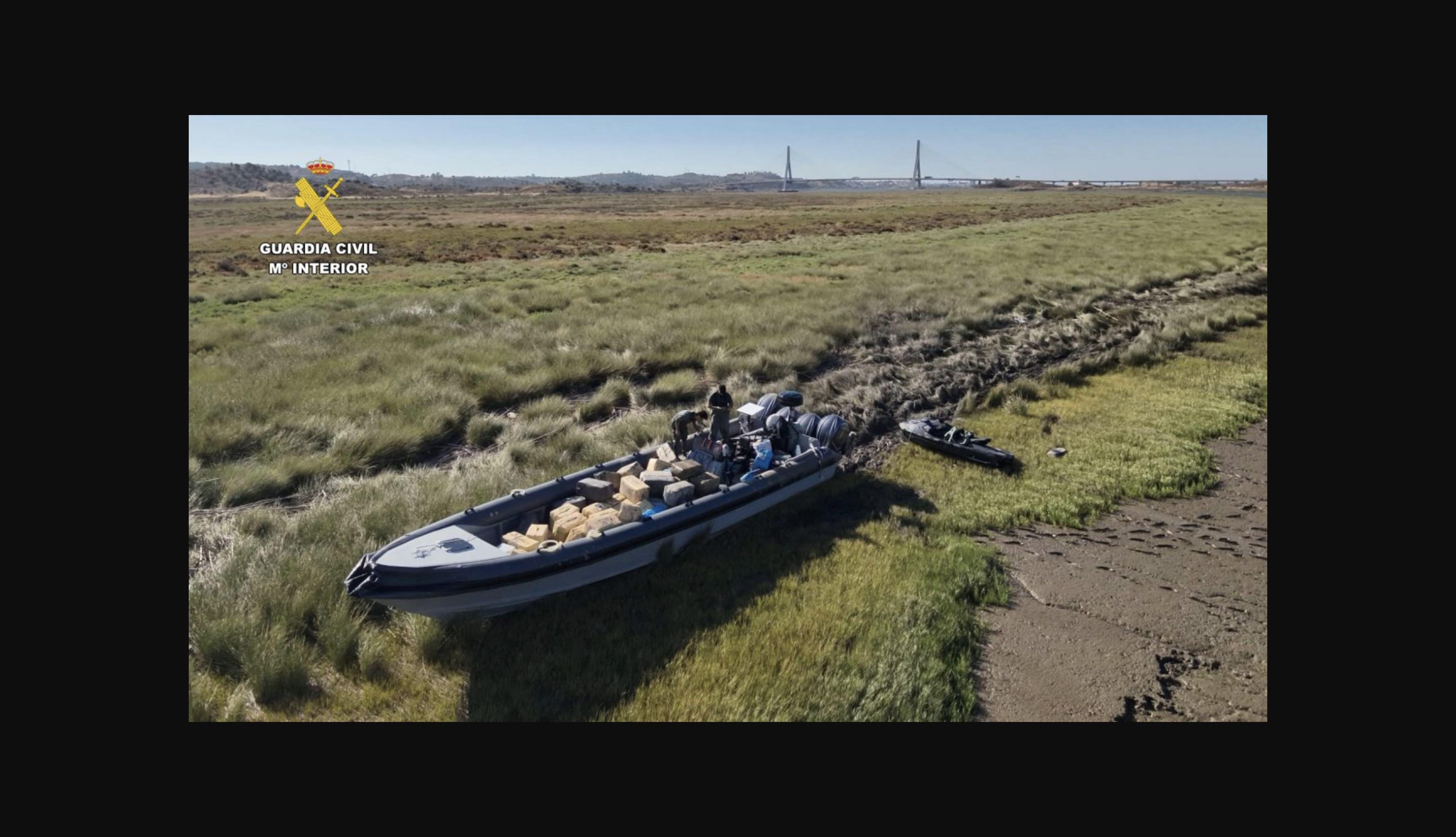
Los primeros en comparecer ante el tribunal estaban compuestos, de acuerdo con el fiscal Antidroga, Servando Caíño, por una red bien definida: elaboraban los cascos de las embarcaciones en instalaciones -en este caso, ubicadas en Vigo y sus alrededores-, los transportaban a Portugal para la instalación de los motores y los sistemas de navegación y, por último, entregaban las planeadoras ya completamente equipadas a sus clientes en diferentes puntos de la Península Ibérica, principalmente en el sur de España, aunque también en el Delta del Ebro. En esos lugares se utilizaban para el tráfico de drogas.
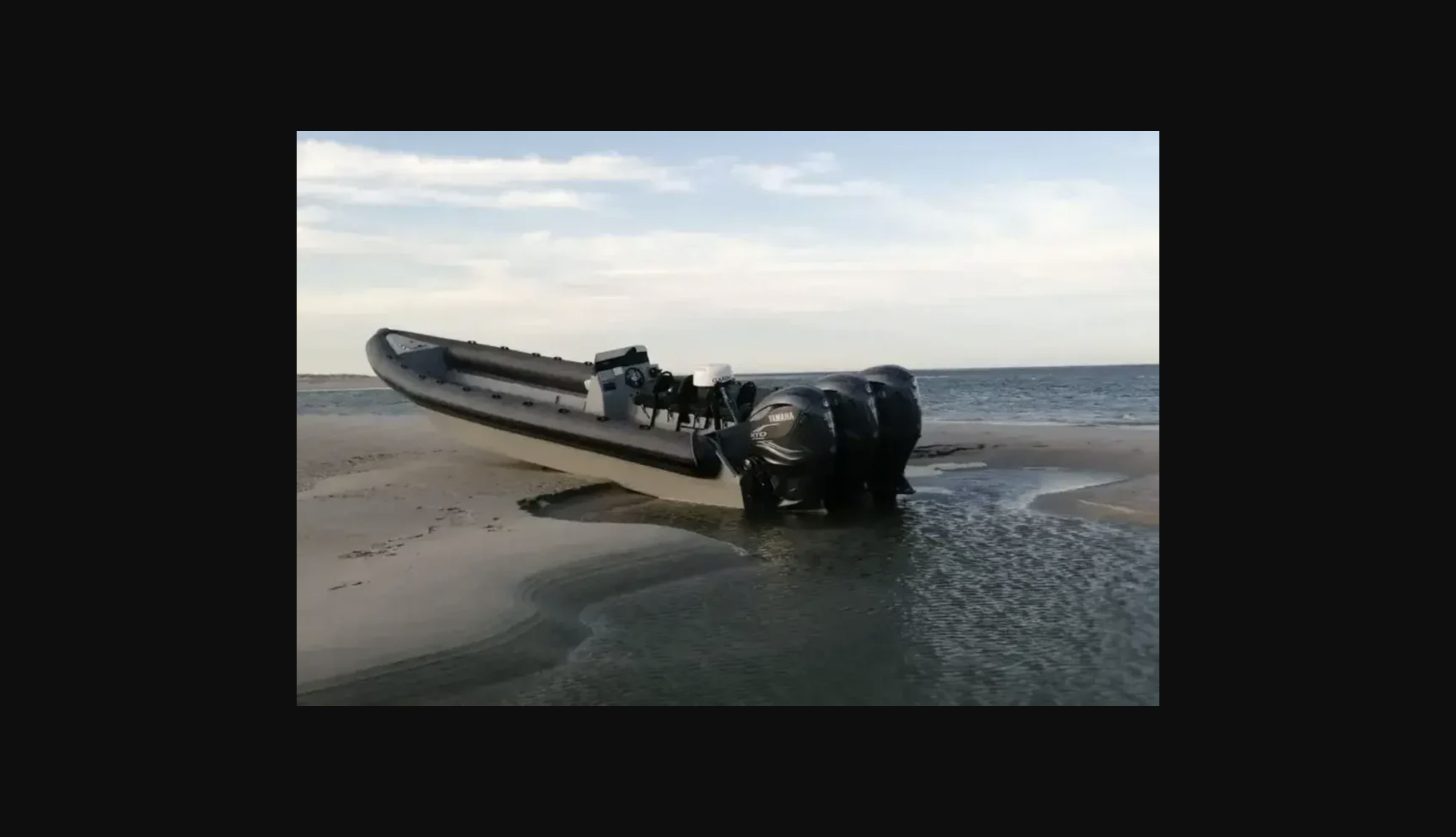
El Real Decreto que prohíbe la mera posesión de embarcaciones que superen los ocho metros de eslora y los 201 caballos de potencia (en términos generales, cualquier tipo de narcolancha) no logró disuadir a los especialistas en su producción de continuar con su actividad ilícita; al contrario. Para eludir la prohibición, optaron por un sistema que se encontraba al borde de la legalidad, construyendo los cascos en Pontevedra -una actividad que, en teoría, no está prohibida- y completando la fabricación con los motores y los equipos de navegación en la otra orilla del Miño, donde aún no existe prohibición. No obstante, cometían un grave error: las planeadoras regresaban a España y eran transportadas por carretera a manos de las redes criminales que, finalmente, las lanzaban al mar y las empleaban para el transporte de drogas, principalmente hachís. Y esto ha quedado debidamente acreditado.
En las próximas semanas se anticipan varios juicios con características similares, ya que en 2022 tanto la Guardia Civil como la Policía Nacional y Vigilancia Aduanera asestaron varios golpes decisivos a estas organizaciones.
En el caso particular cuyas sesiones comenzaron este lunes, el fiscal describe la actuación de los condenados como «una infraestructura empresarial, personal y material que se dedicaba de manera estructurada y sostenida a la clandestina fabricación, producción, equipamiento, transporte y venta de embarcaciones semirrígidas de alta velocidad constitutivas de género prohibido, que posteriormente eran utilizadas para llevar a cabo operaciones de tráfico marítimo de estupefacientes con destino a las costas españolas, obteniendo así todos sus miembros ingentes beneficios económicos de dicha actividad».
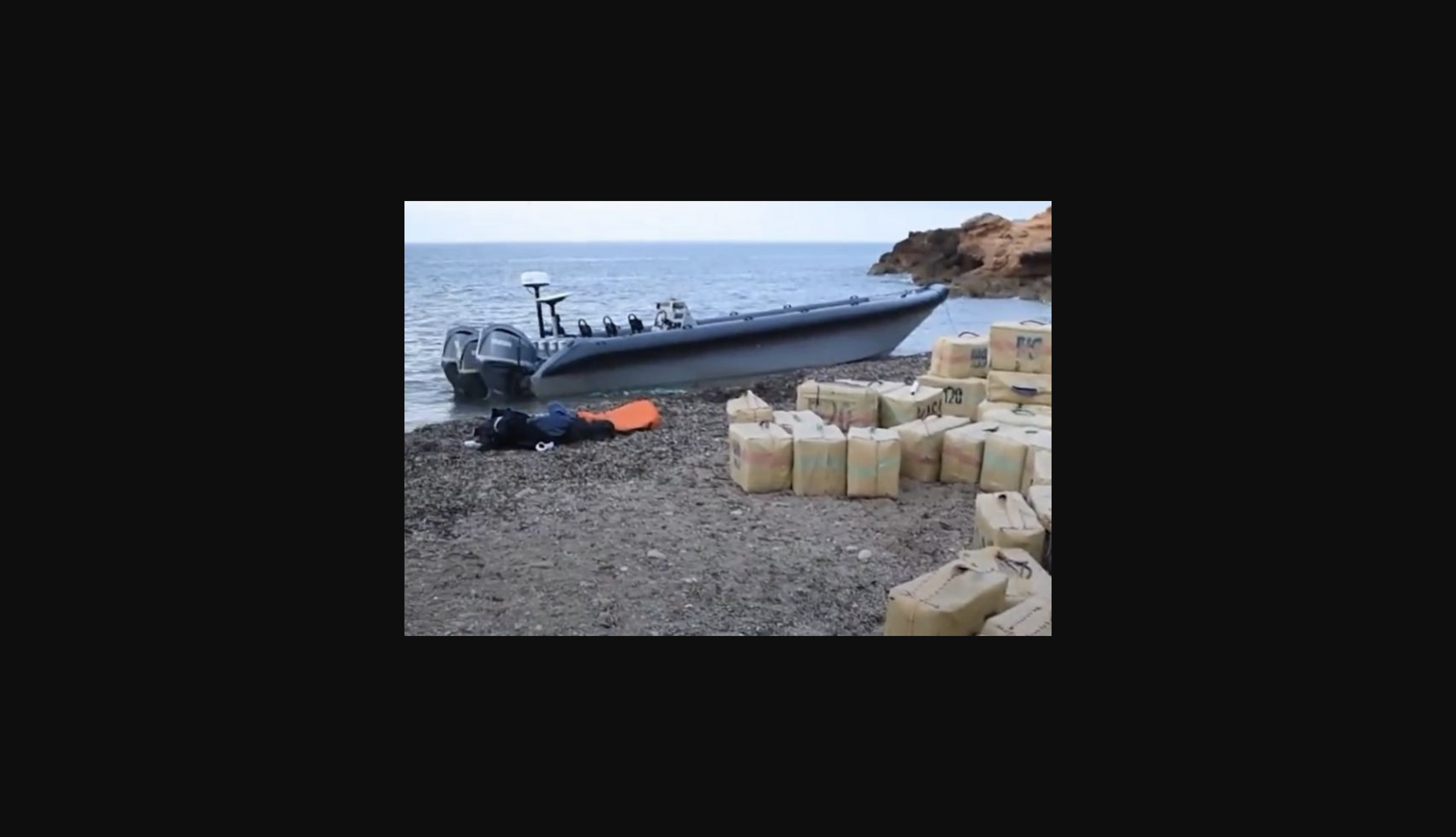
En concreto, entre las decenas de embarcaciones intervenidas en la operación, dirigida por el EDOA de Pontevedra y denominada Endurance, se encontraron algunas valoradas en más de 300.000 euros. En ciertos casos, además, se logró probar su uso para introducir grandes cargamentos de droga.
Los cascos incautados en las distintas operaciones llevadas a cabo por las fuerzas de seguridad en 2022 han sido valorados pericialmente en cantidades que varían entre los 70.000 euros, los de menor tamaño, y los 150.000, correspondientes a los de 14 metros de eslora por 2,5 de manga, que son los más utilizados por los narcotraficantes. Los motores, si son de 300 caballos de vapor, tienen un precio de 40.000 euros por unidad. Todo ello suma más de 300.000 euros. Se trata de un negocio muy lucrativo para sus fabricantes.
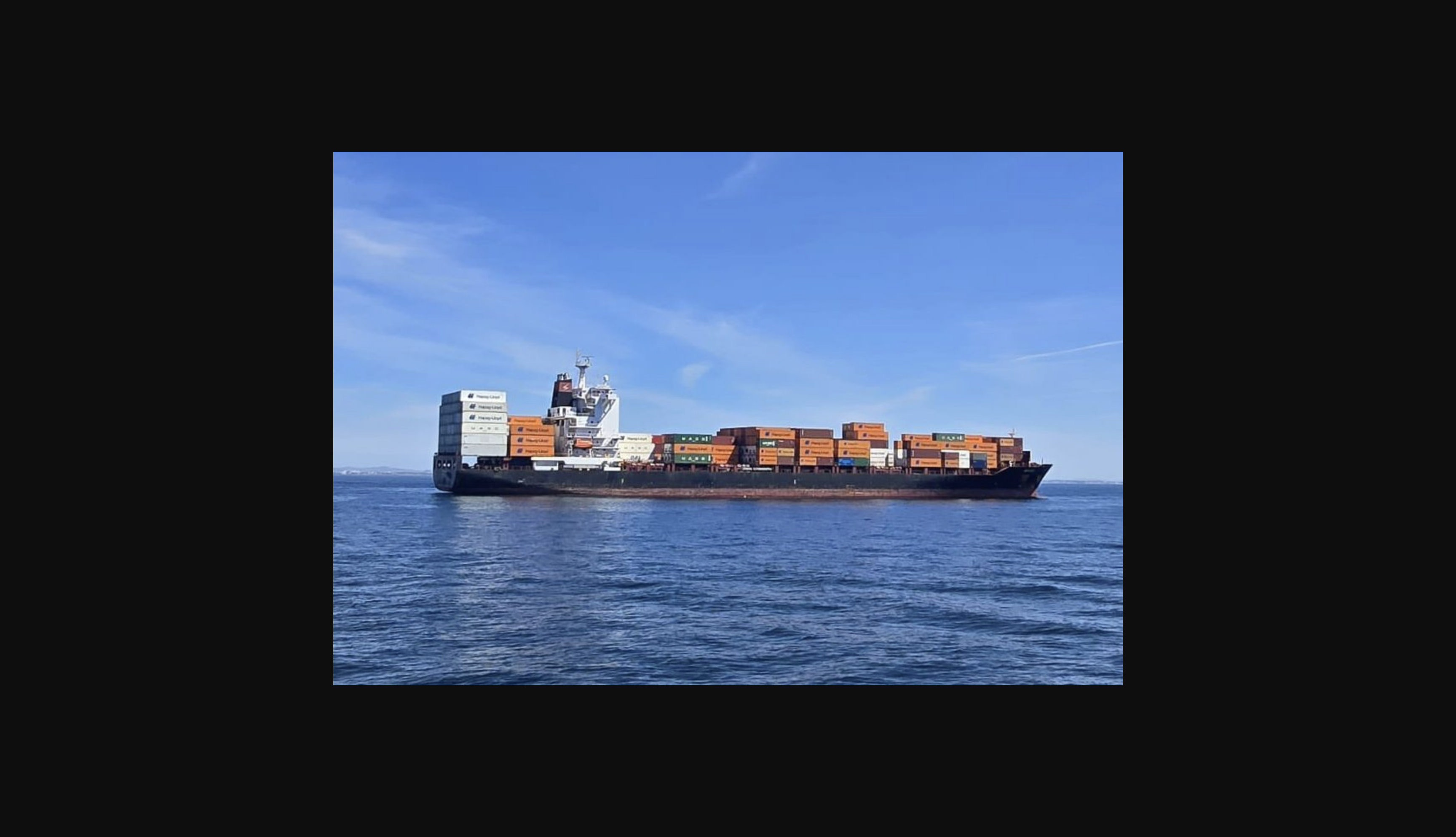
Sin embargo, tras las mencionadas redadas y la incautación de toda una flota de más de 100 de estas embarcaciones, algunas terminadas y otras en fase de construcción, los narcotraficantes se vieron obligados a agudizar su ingenio. Así, en tiempos recientes han comenzado a utilizar lanchas que no superan los ocho metros y que cuentan con un solo motor. Estas embarcaciones mantienen un amplio espacio de carga pero simulan realizar actividades pesqueras para evadir la intervención de las fuerzas policiales.
De este modo, además, los traficantes logran evitar incurrir en el delito de contrabando que conlleva penas de prisión por sí mismo, de hasta cinco años, las cuales se incrementan hasta nueve si se demuestra que además se ha traficado con drogas.